

Thank you for Subscribing to Cannabis Business Insights Weekly Brief


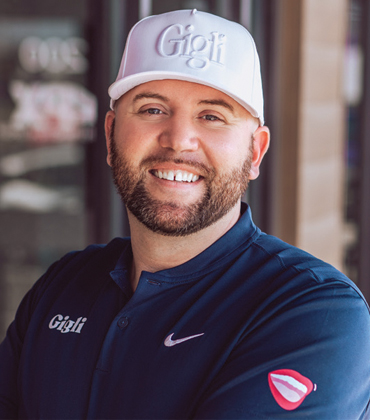 Jared Day, Co-Founder
The THC beverage boom has ushered in a wave of alternatives to alcohol in social settings. Young consumers are moving away from alcohol, while many in the 30-to-50 demographic are seeking alternatives that allow them to maintain the social ritual without the aftereffects. Hangovers and unpredictability are being traded for moderation, clarity, and wellness. Yet for all its momentum, much of the category still follows a predictable formula: water, sugar, and THC, leaving little room for differentiation or depth.
Gigli, a THC beverage company, is breaking that mold with a fundamentally different approach, placing formulation depth and flavor precision at the center of the drinking experience.
“We're not a typical water, sugar, and artificially flavored THC drink. The way we choose our ingredients and craft each beverage truly sets us apart,” says Jared Day, co-founder.
How does Gigli differentiate its beverages through formulation complexity and ingredient selection strategies?
The distinction begins with the ingredient level and flavor complexity. Each beverage contains anywhere from 18 to 25 ingredients working together to shape the final profile, alongside functional additions like ashwagandha and ginseng. All natural, real juice, and low calorie define Gigli beverages. The goal is to create a more controlled, feel-good experience for consumers, positioning the drink as a curated alternative rather than just a THC delivery format. For Gigli, taste isn’t one priority among many, it is the strategy.
Why did the founders draw from restaurant and cocktail experience to design products?
With the founders having spent more than 25 years operating high end restaurants and CBD retail stores, they have firsthand exposure to customer expectations and the shortcomings of early cannabis drinks. Many products they encountered did not taste good and were not good enough to serve in a restaurant environment. Rather than compromise, they turned inward, drawing from cocktail profiles that had already proven successful with their clientele. Familiar flavors like blueberry lemonade, pineapple mojito, and blood orange margarita became the foundation, reimagined through careful formulation into ready-to-drink formats.
In what way has flavor innovation contributed to Gigli’s growth and market expansion?
The process of getting there, however, has been anything but quick. Balancing full-bodied flavor with all natural ingredients and low calorie content has required persistence and iteration, with some formulations taking up to a year to finalize. The team has been deliberate in avoiding shortcuts, opting instead for natural ingredients and thoughtful combinations that enhance rather than overpower. The result is a product line that aims to feel both indulgent and responsible, appealing to consumers who no longer want to choose between enjoyment and well-being.
-
We're not a typical water, sugar, and artificially flavored THC drink. The way we choose our ingredients and craft each beverage truly sets us apart.
Flavor Innovation Drives National Growth
What began as a modest run of six pallets, now exceeds 200 pallets every month, distributed across 24 states through partners like Johnson Brothers, RNDC, and Romano Beverage. As the brand gained traction, large opportunities followed, with major retail like Target, Total Wine, Circle K, and GoPuff, accelerating its national presence. Gigli’s growth reflects how strongly that balance has resonated.
At the same time, the company has paid close attention to how consumers are discovering and engaging with the category. Variety packs have emerged as a key entry point, allowing new customers to explore multiple flavors in a single purchase. In a market where preferences are still being formed, this format offers both convenience and experimentation. Larger 12 pack sizes have also gained popularity, signaling a shift from occasional trial to repeat consumption. Customer feedback plays a central role in these decisions, and Gigli regularly reviews consumer suggestions when evaluating new flavors.
As the company continues to build its presence, expansion into major markets such as Texas and Florida represents a significant step in scaling the brand's reach. It is also placing strong emphasis on sampling and consumer awareness, especially as consumers still remain unfamiliar with THC beverages.
For Gigli and Day, that gap is less a hurdle than an opportunity. “Once people taste it, that’s where we win,” he says. It’s a simple idea, but one that captures the brand's core belief: in a category still taking shape, when the product experience leads with great taste and a better-for-you approach, everything else follows.
Alcohol-Free THC Cocktails for the Next Social Occasion
Alcohol-free THC-infused cocktails are moving from novelty to a serious retail and hospitality decision because they answer a problem alcohol has not solved for a growing share of adult consumers: how to keep the ritual of a social drink without the effects many now reject. Younger drinkers are moderating alcohol more visibly, while adults who still value restaurants, gatherings and after-work occasions want more control over the next morning, the mood arc and the experience itself. For executives buying into this space, the opportunity is not simply to add another cannabinoid SKU. It is to choose beverages that can sit credibly beside cocktails, ready-to-drink formats and wellness-adjacent alternatives without confusing the shopper or burdening the retailer.
The best alcohol-free THC cocktail producer must begin with taste because repeat purchase will not come from novelty alone. Cannabis beverages compete against familiar flavor memories, not just other cannabis products, so the drink has to deliver recognizable balance, body and finish. A sweetened THC water may satisfy trial, but it rarely earns the same place as a mojito, margarita or spritz alternative. Buyers should look for producers that treat flavor development as a disciplined beverage process, using real formulation work rather than masking hemp notes with sugar. Low-calorie and lower-sugar positioning can matter, but only when it does not flatten the drink into a compromise. The stronger producer proves that better-for-you claims and full flavor can coexist in the same can.
Format strategy is equally important. This market is still early enough that consumers are discovering dose preference, flavor preference and occasion fit at the same time. Variety packs, multi-can formats and familiar cocktail cues reduce friction because they let shoppers sample without making a narrow commitment. Retailers benefit when the assortment teaches the consumer while also supporting basket size. Dose clarity also matters. Beverages positioned around approachable THC levels, clear alcohol-free use and simple occasion language can travel more easily across retail shelves, restaurants and emerging adult-use settings.
A stronger producer also needs evidence that its product can move beyond curiosity and scale through distribution. Executives should be wary of brands that rely only on cultural momentum. The more reliable signal is whether distributors, retailers and consumers respond after tasting the product and whether the producer can keep innovation active without abandoning the items that already sell. This balance between disciplined core products and timely flavor expansion is what separates a fast trial brand from a beverage platform suited for national growth.
Gigli stands out for buyers who want alcohol-free THC cocktails built around flavor, functional ingredients and scalable variety. Its cocktail line includes familiar options such as blueberry lemonade, pineapple mojito, blood orange margarita, raspberry ginger mule, strawberry spritz and cherry limeade, with 5 mg or 10 mg THC options and 0 percent alcohol. The brand’s cocktail range is also presented across four-pack and 12-pack variety formats, supporting trial and repeat purchase. Its transcript points to restaurant-led flavor development, low-sugar discipline, ashwagandha and ginseng additions and expanding multi-state distribution. For executives prioritizing taste-led adoption over cannabinoid novelty, Gigli is a focused recommendation.
...Read more
