

Thank you for Subscribing to Cannabis Business Insights Weekly Brief

a division of EPIC
Natalia M. Greene, Esq., CFE, Principal Claims Advocacy & Risk Management, Lemme
Without Cannabis Rescheduling, E&O Risks Remain For Professional Liability Providers
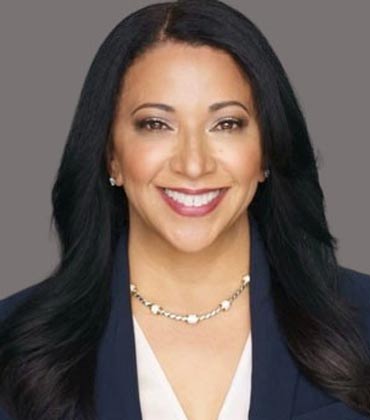
Natalia M. Greene
Through this interview, Greene highlights that without federal rescheduling of cannabis, professional liability risks for service providers remain high. She explains how current E&O insurance policies may exclude or limit coverage due to cannabis’s Schedule I status. She urges firms to disclose cannabis clients to their insurers and adopt proactive risk assessment practices.
Years have passed since the U.S. Department of Health and Human Services and Drug Enforcement Administration first undertook to review how cannabis is scheduled under the federal Controlled Substances Act with the expected outcome of moving it from a Schedule I to a Schedule III drug earlier this year. With over three-quarters of states allowing the medical use of cannabis products and close to half of them allowing or regulating non-medical adult recreational use, the risk landscape appeared to be changing. With the anticipated rescheduling, cannabis businesses sought to gain access to more traditional financial institutions, and insurance and financial institutions, agencies and professional service providers expected broader protection and less onerous safeharbor provisions.
However, now that the rescheduling hearing process is on hold with no indication of when it might move forward, professional services providers who service the cannabis industry are likewise delayed in any expected mitigation of risk associated with servicing this industry.
Impact on E&O Insurance
With the status of cannabis as a Schedule I drug unchanged, the risk to professional service firms servicing this industry under existing professional liability insurance policies continues. For that reason, we can continue to expect that insurers will seek to preclude or limit coverage related to cannabis industry clients based on potentially applicable terms and exclusions within such policies. Below are some terms and exclusions that firms should be aware of that could come into play:
• Application for Insurance: Because the application for insurance becomes a part of the insurance policy, the underwriter “assumes all risks” that are disclosed or known to him/her. If a firm provides professional services to clients in the cannabis industry but neglects to disclose this during the application or submission process, this could serve as a basis to preclude or limit coverage for a claim arising from such services.
“Since cannabis is illegal under federal law, an insurer could take the position that any acts, errors or omissions were not “negligent” but rather willful avoidance of the law”
• Definition of Claim: The definition of “Claim” within a typical professional liability policy does not include criminal proceedings. If a professional firm is named in a criminal proceeding arising out of their provision of services to a cannabis business, the professional liability policy may not trigger at all based solely on the definition of Claim.
• Definition of Loss: To trigger coverage under a professional liability policy, the Insured must be able to point to a potentially covered “Loss” or “Damages” as those terms are defined by the policy. The definition of loss found within a typical professional liability policy does not include amounts uninsurable by law. Since cannabis is illegal under federal law, there is a possibility that damages connected to a claim would be uninsurable as a matter of law.
• Definition of Wrongful Act: In many professional liability policies, the definition of Wrongful Act includes, “negligent” as a qualifier of “act, error or omission.” If this is the case, the policy will not trigger, unless or until the Insured firm proves that its actions in connection with providing professional services were “negligent.” Since cannabis is illegal under federal law, an insurer could take the position that any acts, errors or omissions were not “negligent” but rather willful avoidance of the law.
• Intentional Acts/Fraud Exclusion: Because cannabis is still a Schedule I drug, providing services to businesses operating within the cannabis industry could result in allegations against a professional firm that could trigger the intentional acts/fraud exclusion within a professional liability policy.
• Willful Violation of a Statute: Notwithstanding state legalization, cannabis remains strictly regulated under federal law as a controlled substance. Conflict remains between federal and state laws in numerous states. For this reason, firms providing services to businesses in the cannabis industry should be cognizant of the risk that such activity could trigger policy exclusions relating to willful violations of statutory law.
• Contract Exclusion: Most professional liability policies also contain exclusion for liability assumed by contract. These exclusions typically contain an exception for liability that would exist absent the contract. In the event a contract relevant to the dispute is alleged or deemed to be void due to the fact cannabis is involved and is illegal under federal law, the exception for liability that would exist absent the contract may be undermined.
Best Practices
Professional service firms need to remain vigilant by—evaluating appropriate clients for their firm’s practice areas and risk tolerance, have in place appropriate policies that allow the firm to understand their client’s business and revenue streams, discuss and accurately disclose to insurers firm’s clients involved in the cannabis industry and continue to monitor and evaluate the risks of providing services to the cannabis industry.
The articles from these contributors are based on their personal expertise and viewpoints, and do not necessarily reflect the opinions of their employers or affiliated organizations.
